Six Pillars of Smart City
The interconnected framework that defines smart city development
A Smart City framework typically comprises six interconnected pillars: Smart Economy, Smart People, Smart Governance, Smart Mobility, Smart Environment, and Smart Living. Each pillar represents a domain of urban development where digital technologies and innovative practices are applied to improve efficiency, sustainability and quality of life.
Smart Economy
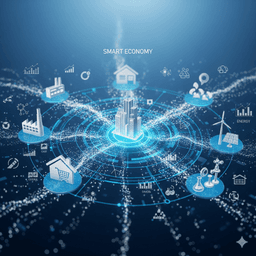
This pillar focuses on economic vitality through innovation and competitiveness. A Smart Economy uses ICT to strengthen local businesses, attract investment and talent, and develop sustainable industries.
- Innovation and entrepreneurship ecosystems
- Business-friendly digital services
- Flexible labor market training
- Global integration platforms
Smart People

The Smart People pillar refers to the social and human capital of the city – education, skills, creativity and civic engagement of its residents.
- Education and lifelong learning
- Creativity and cultural vibrancy
- Civic participation platforms
- Social inclusion programs
Smart Governance

This pillar covers the use of ICT by public institutions to enhance transparency, efficiency and citizen engagement through digital platforms.
- E-government services
- Transparent decision making
- Digital participation tools
- Data-driven policies
Smart Mobility
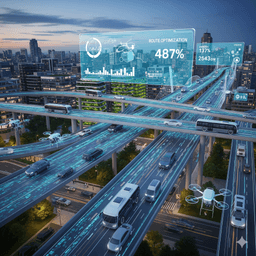
Smart Mobility optimizes transportation systems through intelligent traffic management, multimodal connectivity, and sustainable transport solutions.
- Intelligent traffic systems
- Integrated public transport
- Sustainable transport options
- Real-time mobility data
Smart Environment
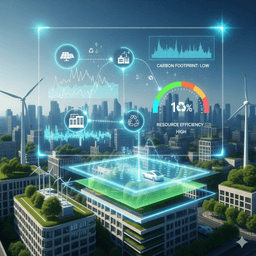
Smart Environment promotes ecological balance through sustainable resource management, pollution monitoring, and green urban planning.
- Environmental monitoring
- Sustainable resource management
- Green infrastructure
- Climate resilience planning
Smart Living

Smart Living enhances quality of life through intelligent infrastructure, community services, and inclusive urban development for all citizens.
- Smart home technologies
- Community health services
- Cultural and recreational access
- Universal accessibility
Framework Implementation
These pillars were originally defined in the European Smart Cities model (Giffinger et al., 2007) and have been adopted in various international frameworks, including Indonesia's Smart City roadmap. The interconnected nature of these pillars ensures that smart city development is holistic and sustainable.
Detailed Information
Smart Governance
Digital Government & Citizen Engagement
This pillar covers the use of ICT by public institutions to enhance transparency, efficiency and citizen engagement through digital platforms.
Key Features:
- E-government services
- Transparent decision making
- Digital participation tools
- Data-driven policies
Advanced Capabilities:
- Open data and transparency
- Participatory decision-making
- Inter-agency collaboration
- Accountability and strategy
For example, the beesmart.city model notes that Smart Governance "strengthen[s] connections" between government and society by using co-creation and crowdsourcing. Many cities worldwide have digital public service portals and open-data initiatives. In Indonesia, Jakarta's Smart City office uses an integrated command center and mobile apps to manage services and encourage citizen feedback. Even e-residency and e-government systems in countries like Estonia exemplify this pillar by allowing citizens extensive online access to government services.
Source: ycp.com
Smart Mobility
Intelligent Transportation Systems
This pillar addresses the design of efficient, inclusive and sustainable transportation systems. Smart Mobility uses technology to optimize how people and goods move in the city.
Key Features:
- Integrated public transit
- Real-time information
- Intelligent transport systems (ITS)
- Eco-friendly vehicles and infrastructure
- Mobility-as-a-Service
Examples:
The beesmart.city description explains Smart Mobility as improving efficiency and service quality of urban transport and adopting new, environmentally friendly modes. For example, Singapore's "Walk Cycle Ride" initiative integrates walking and cycling paths with its metro and bus networks to encourage active mobility and reduce pollution. Indonesia's smart mobility efforts include advanced traffic control systems (Adaptive Traffic Control System) and partnerships with ride-hailing services to improve flow and reduce idle time.
Source: ycp.com
Smart Environment
Sustainable Urban Ecosystems
This pillar deals with environmental sustainability and resource management. A Smart Environment uses sensors, data and green technologies to improve urban ecosystems.
Key Features:
- Environmental monitoring
- Energy management
- Green infrastructure
- Waste and water systems
- Regulatory tools
Examples:
According to beesmart.city, Smart Environment focuses on managing the built and natural environment with technology to implement sustainable standards. An example is Barcelona's "superblocks" project, which redesigns neighborhoods to cut through-traffic – this has led to better air quality and more green public space. Many cities also set carbon-neutrality goals (e.g. Copenhagen aims to be carbon-neutral by 2025). In Indonesia, some local governments use online platforms and sensor networks to track pollution and flooding, aligning with smart-environment objectives.
Source: ycp.com
Smart Living
Quality of Life & Community Services
The final pillar, Smart Living, covers the overall quality of life and well-being of residents. It includes healthcare, education, housing, safety and culture.
Key Features:
- Healthcare services
- Education and skills
- Housing and urban design
- Public safety and emergency response
- Community and culture
Examples:
Beesmart.city notes that Smart Living targets "inclusive" improvements in livability, healthcare (like e-health and assisted living), education, housing and safety. For example, Singapore has developed HealthCity Novena – an integrated healthcare campus with connected walkways and parks – to enhance patient wellbeing. Its public housing system (HDB) provides high-quality, mixed-use neighborhoods for most citizens. In Indonesia, smart-living initiatives include online public health consultations and remote learning platforms used during COVID-19, reflecting a move toward more connected, responsive social services.
Source: ycp.com
Each of these six pillars – Economy, People, Governance, Mobility, Environment, and Living – must advance together to achieve a truly smart city. In practice, city planners align policies and technologies across these domains to create sustainable, inclusive and efficient urban ecosystems.
Sources: beesmart.city, researchgate.net
More About Six Pillars of Smart City
ResearchGate. SMART CITIES RANKING: AN EFFECTIVE INSTRUMENT FOR THE POSITIONING OF CITIES?
View Details →BeeSmart.City. SMART CITY INDICATORS
View Details →YCP. Discovering The Six Pillars of Indonesia's Smart Cities
View Details →Catalonia.com. 5 reasons why Barcelona is one of the world's leading smart cities
View Details →World Economic Forum. 3 reasons why Singapore is the smartest city in the world
View Details →